

The Pororoca Onda: Surfing the Amazon River in Brazil
Updated: Jan 26
The Pororoca Onda is a large tidal bore in Brazil that forms when Atlantic Ocean tides enter the mouth of the Amazon River system and moves inland. The name Pororoca, meaning "big noise" in the indigenous Tupi language, refers to the sound made by the incoming water. The wave can reach heights of about four metres in some sections and can travel for hundreds of kilometres along the river and its tributaries, making the Pororoca the longest wave in the world. This bore creates a continuous surfable wave that attracts surfers, scientists, and spectators.
A tidal bore is a wave created when a rising tide meets a river current and pushes against it with greater speed and volume. When the tide overtakes the river, the water rises and forms a single moving wave that travels upstream. Tidal bores form in only a small number of rivers worldwide, with suitable shapes, widths and tidal ranges. The Amazon Basin in Brazil has the required shape and scale to create the longest wave in the world - and it's become a hot spot for adventurous surfers.
Ready to plan your trip? > Book accommodation in Belem > Find cheap cheap bus tickets to Belem
Skip to:
What is the Pororoca Onda Amazonas
The Pororoca onda is the wave produced when incoming tides from the Atlantic Ocean enter the mouth of the Amazon River faster than the river can discharge water into the sea. When this happens, the river surface rises and forms a continuous wall of water that travels up to 800km (500 miles) upstream. The wave can reach heights of up to four metres in parts of the lower Amazon system.
The Pororoca is one of the most recognised tidal bores in the world due to its scale. The Amazon basin has the highest river discharge in the world, and the meeting point between ocean and river is broad enough to create the right conditions for the wave. The sound is another notable feature, with the pressure of water producing a loud roar that can be heard before the wave appears.
For surfers, the length of the rides is one of the Pororoca's most distinctive features. In strong tide years the wave can travel for more than one hundred kilometres without fully breaking apart, although the surfable section varies depending on the river width and currents. The wave can reach speeds of about 20 kilometres per hour.
Aside from the Pororoca, other famous tidal bores that are popular for surfing include:
Severn Bore in England (River Severn): Wave height up to 2 metres, famous for spring tide surfing.
Mascaret in France (Garonne/Dordogne Rivers): Waves 2–3 metres high, occurs during spring tides in the Gironde estuary.
Trent Aegir in England (Trent River): Smaller and less consistent tidal bore, suitable for short rides.
Silver Dragon in China (Qiantang River): Waves up to 9 metres high, extremely powerful and fast.
Chocolate Wave in Canada (Petitcodiac River): Smaller bore, slow-moving and surfable for short distances.
Where does the Pororoca Onda happen?

The Pororoca Amazonas does not actually form in the state of Amazonas but in the lower Amazon region near the Atlantic Ocean. It occurs in the Araguari River in the state of Amapá, the Guamá River in Pará and in the Tocantins river system. Bores have also formed along parts of the Amazon estuary near Marajó Island near Belem, where the incoming tide meets a wide network of channels.
The most accessible points to view the Pororoca are in the states of Pará and Amapá. In Amapá the Araguari River was once the strongest site, producing large bores that travelled inland. Changes to the river system in recent years reduced the intensity of these events, but some sections still show bore activity during peak tides. In Pará the Guamá River remains the most reliable location. Smaller bores can also be observed in nearby tributaries where the tide channels through narrow bends.
São Domingos do Capim, the site of the Festival da Pororoca, sits upstream from the river mouth and is about 130 kilometres from Belém by road. The town is located in the northeast of Pará within a region of floodplain forests and river channels. The narrowing of the Guamá near the town increases the height and strength of the bore, which makes São Domingos do Capim the most consistent point for viewing the Pororoca each year. Visitors can observe the wave from fixed viewing areas along the riverbank and from boats that follow part of the bore’s course.
When is the Pororoca Onda in 2026?
The Pororoca Onda actually occurs several times per year. It depends on the lunar cycle and is strongest during new moon and full moon periods when tidal ranges reach their highest levels. However, the phenomenon is most powerful between March and April, and this is when the annual Festival da Pororoca is held.
Dates for the festival have not yet been released for 2026. Follow the festival's official Instagram page to see the date announcement.
Surfing the Pororoca Onda in Brazil
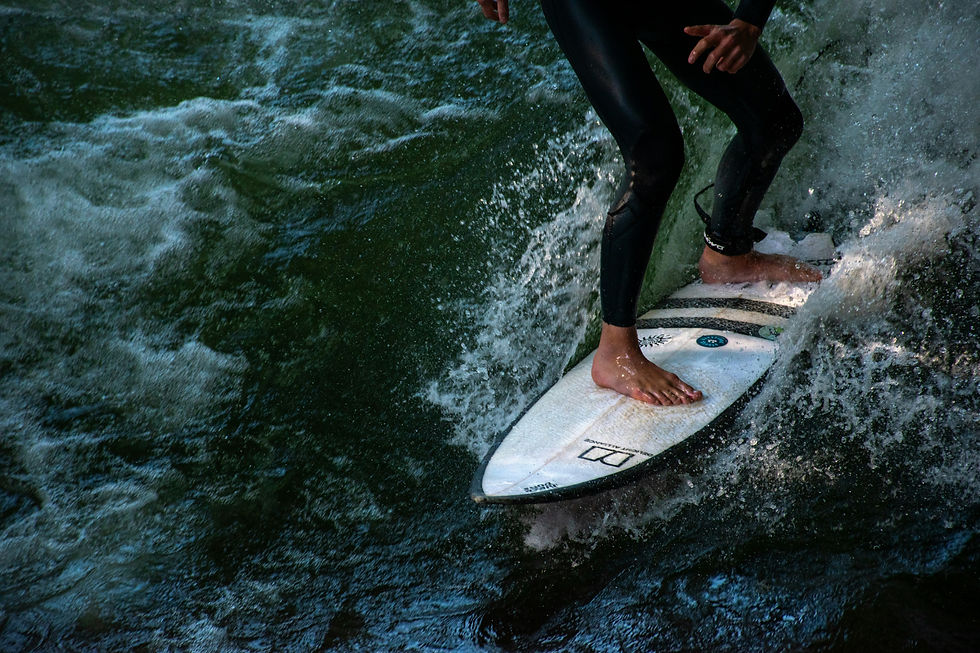
While surfing is a very popular sport in Brazil, the Pororoca requires special considerations compared to surfing in the ocean. Boards need to be strong because the river carries debris, so many surfers choose reinforced longboards. Protective clothing is encouraged because visibility in the water is limited and can be full of debris.
The length of each ride depends on the arrival of the tide. On peak days surfers can travel through several bends of the Guamá River before the wave loses force. Narrow sections produce a steeper face while wide bends flatten the wave before it forms again. Some surfers can ride the bore for over 30 minutes on days with a strong tide.
Famous surfers of the Pororoca
Several well known Brazilian surfers have attempted to surf the Pororoca. Picuruta Salazar recorded one of the longest and most publicised rides in 2003, and brought national attention to the event.
Pororoca record holders:
Brazilian surf legend Picuruta Salazar set one of the most recognised records for longest Pororoca ride in 2003 by riding a single wave for 12.5 km and about 37 minutes at the Araguari River. This is widely cited as the longest ride on the Pororoca.
Serginho Laus also holds a the Guinness World Record for a Pororoca ride of about 11.8 km lasting 36 minutes.
Other famous surfers who have surfed the Pororoca:
In the early years of Pororoca surfing pioneers such as Eraldo Gueiros, Guga Arruda and Noélio Sobrinho rode early bores on the Araguari and adjacent rivers.
Well known Brazilian big wave surfers Carlos Burle and Rodrigo “Sininho” Tavares joined Salazar on expeditions to surf the Pororoca.
International surfers, including Ross Clarke-Jones from Australia, Dylan Graves from the United States, and Antony “Yep” Colas from France, have surfed the Pororoca as part of documentary teams and exploratory trips
Gabriel Medina, a surfing world champion from Brazil, surfed the Pororoca in 2024
These surfers contributed data and research on wave behaviour by recording GPS tracks and documenting the timing of the tide across multiple points in the basin. Their involvement helped establish the Pororoca as a significant challenge within the surfing community.
The annual Festival da Pororoca, in São Domingos do Capim
The Festival da Pororoca began as a local gathering based around the annual bore. It has since developed into a week long regional event supported by the municipality, sports associations, and community groups. The program now includes surf championships, river races, cultural nights and technical briefings on tidal conditions. Crowds gather at established viewing areas along the main riverfront, which have timing stations and safety posts.
Boat operators offer routes that follow the wave for part of its journey, and these sell out before the strongest tide days. Local schools run activities linked with river safety and the science of tidal bores, and the town hosts food stalls and small markets throughout the week. The festival is timed to coincide with the new moon period between March and April when the highest tides occur.
If you are planning a Trip to the Festival da Pororoca, accommodation in the town of São Domingos do Capim is limited and must be booked well in advance. São Domingos do Capim can be reached by road from Belém in about three hours.








Comments